Melipona Bee
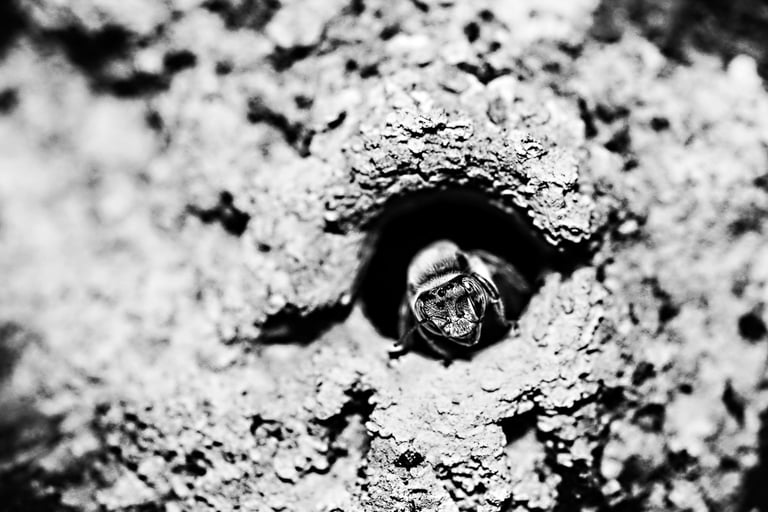
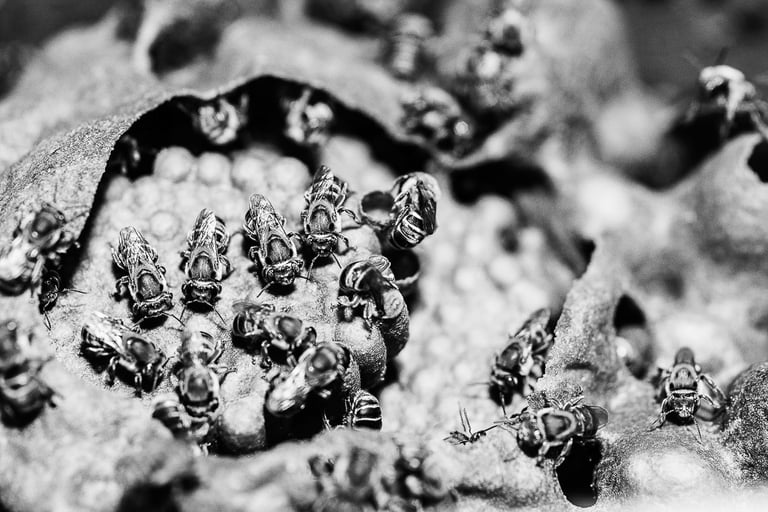
It is said that the construction of Mayan pyramids, with their characteristic stairways and square platforms at the top, was inspired by the hives of the Melipona bee (Melipona beecheii). The ancient Maya domesticated this small insect from the very origins of their civilization; in fact, honey, pollen, and wax were highly valued products among the ancient inhabitants of southern Mexico. This small insect, unlike the Apis bee, has lost its stinger for self-defense reasons and has instead adapted to becoming a sort of domesticated animal. Archaeologists believe that almost every ancient Maya household had a meliponary.
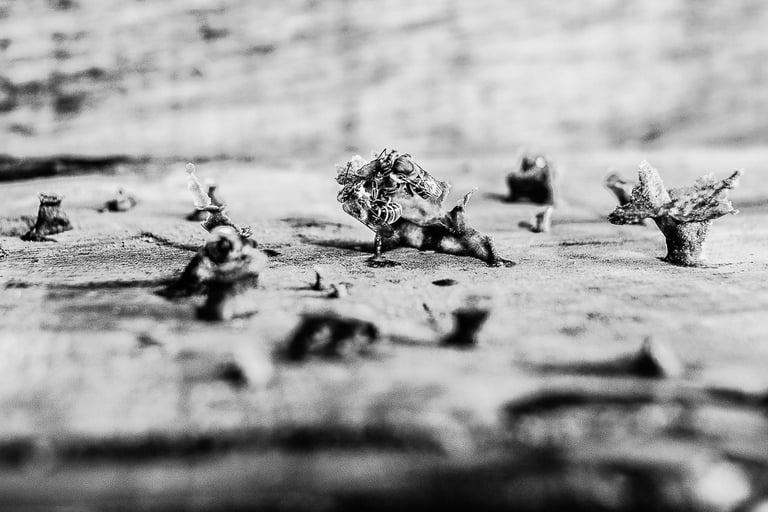
The beecheii, or colecab, is a very docile bee that, thanks to its non-aggressive nature, is a great ally in agricultural production through pollination and for its precious products. In addition to honey—which has important properties for treating respiratory and eye diseases—the products derived from the Melipona bee provide communities with a continuous supply of wax, pollen, and other healing materials, and are excellent for making candles, creams, and other artifacts.
The history of the Melipona bee is lost in the mists of time. Its areas of origin are southern Mexico and Brazil, and it was completely unknown to the conquistadors of Latin America. Its trajectory fades at the moment when Europeans imported the African bee to the New World, which later evolved into the European bee. The differences between the two species are many. Apis bees are very aggressive toward other insect species, produce large quantities of honey (up to 30 kg per colony per year), and can fly up to 6 km in search of food and water.
The beecheii has been almost completely replaced by its more productive relative and is now considered an endangered species. Only a few communities in the Yucatán Peninsula and some foundations continue traditional Melipona beekeeping in Mexico. The reasons are several: honey production per colony is only 500 g to 1 kg per year; these insects are very delicate and require native flora to survive; they do not travel more than 1 km to find food and water; they are vulnerable to attacks from other insects, such as flies, which can wipe out an entire colony; and they suffer from environmental pollution and the cutting down of plants and trees.
The small beecheii was on the verge of disappearing from the face of the earth…
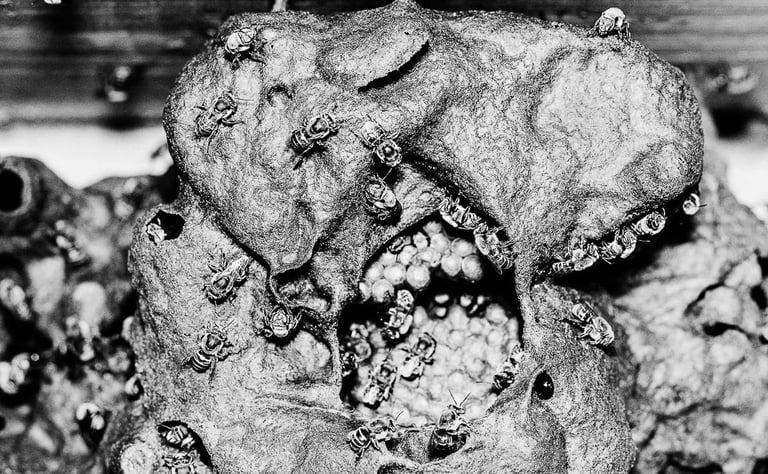
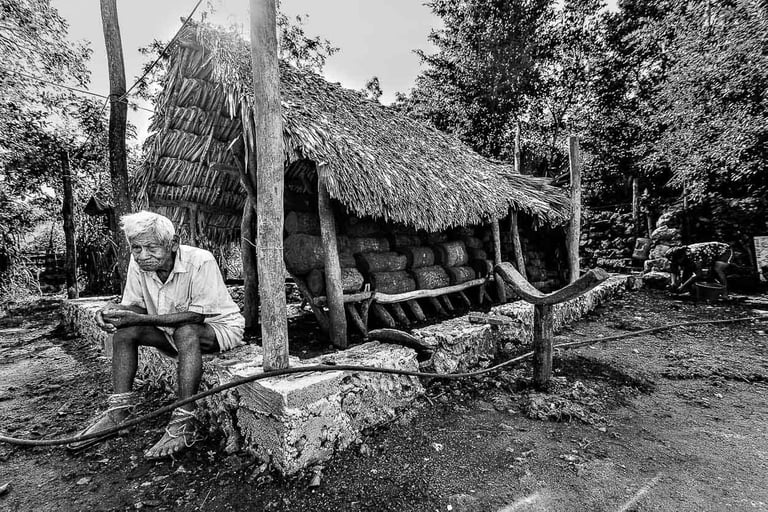
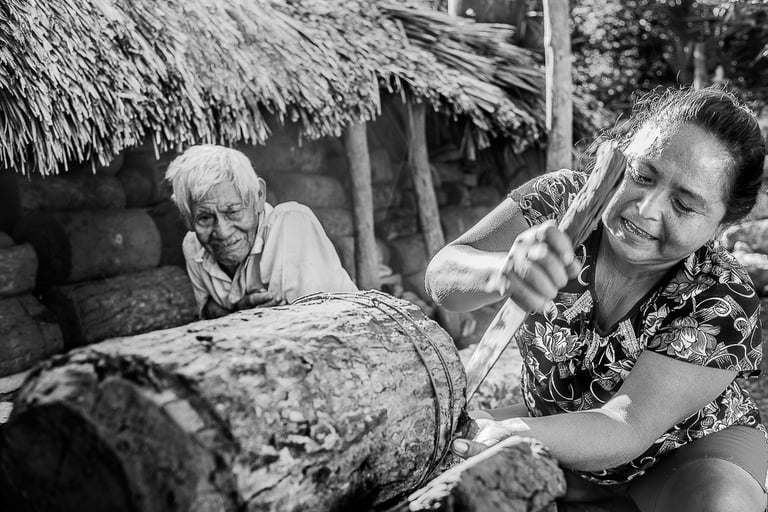
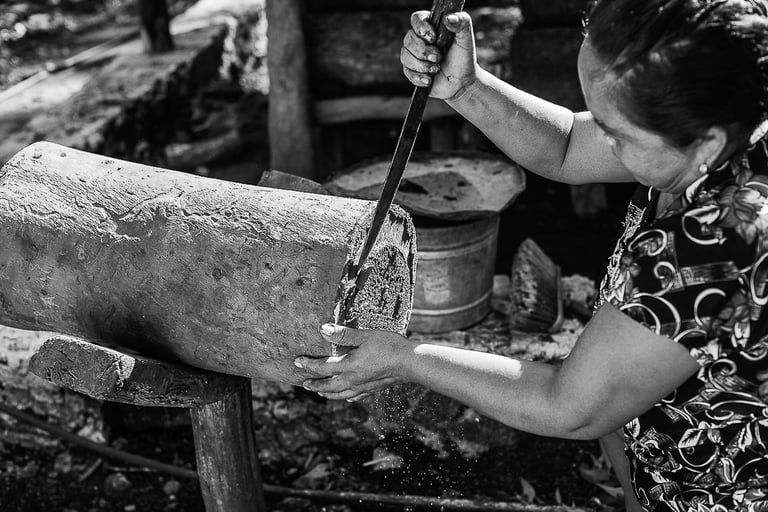
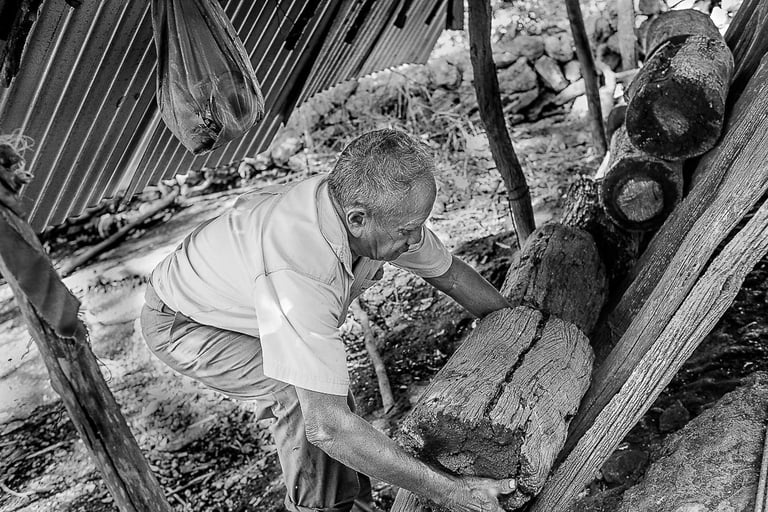
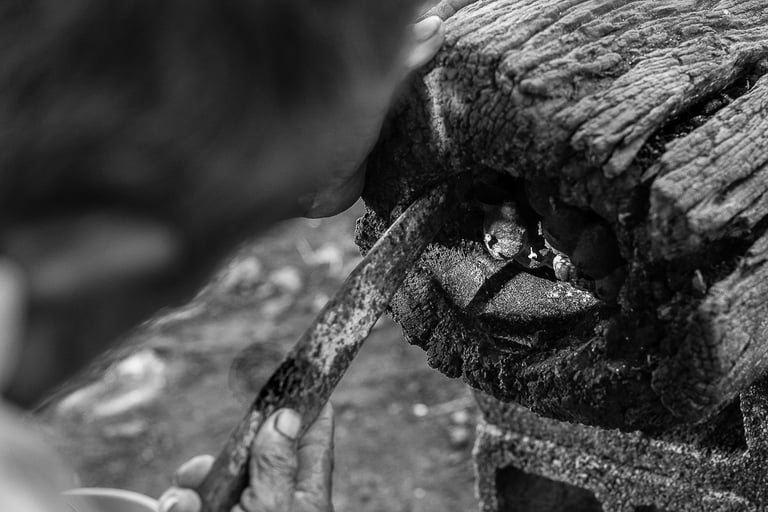
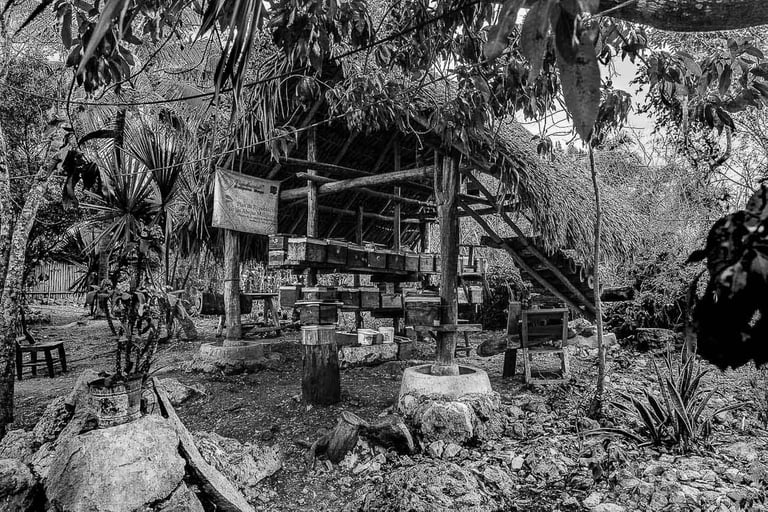
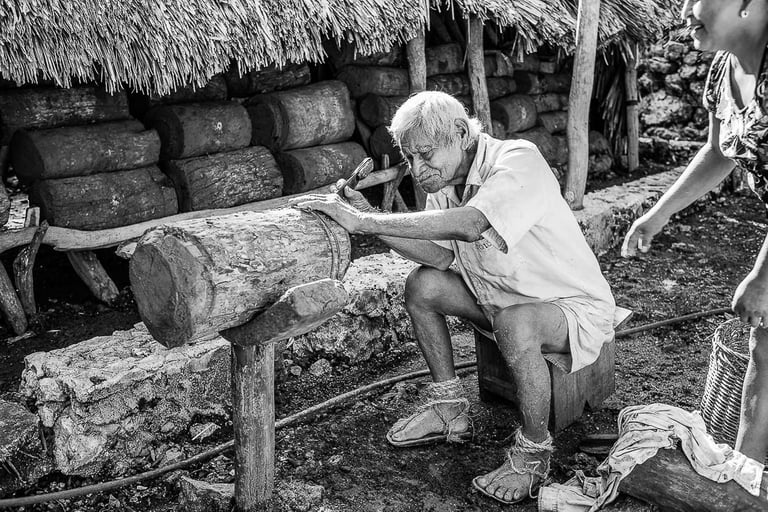
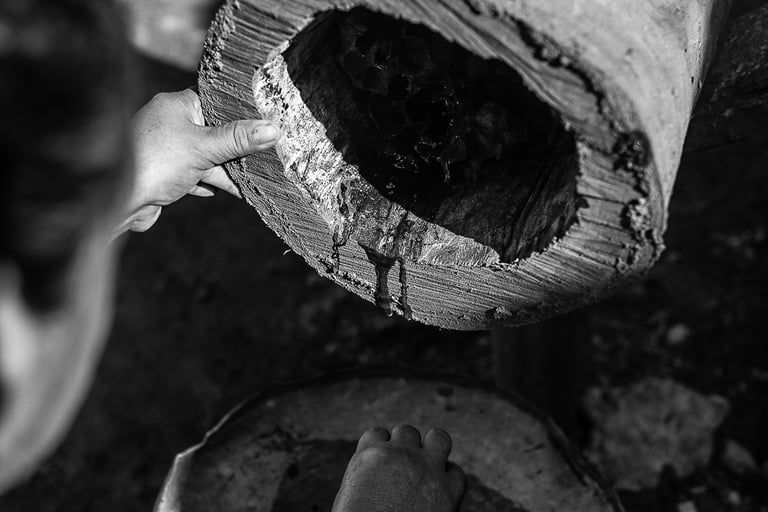
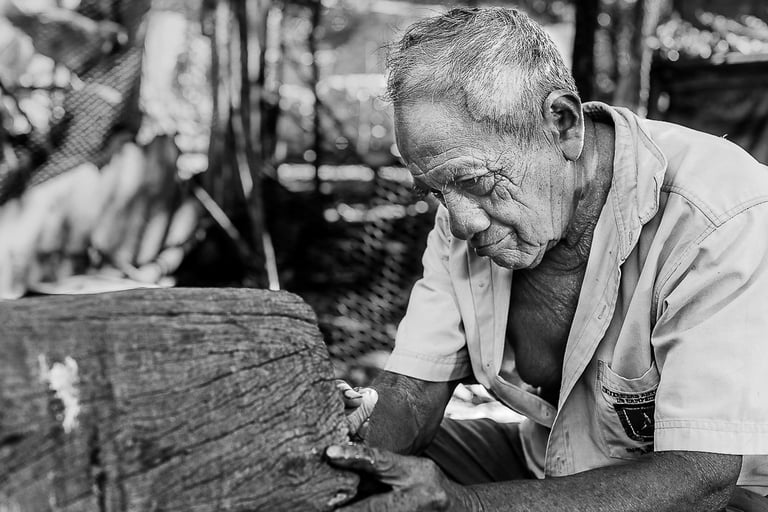
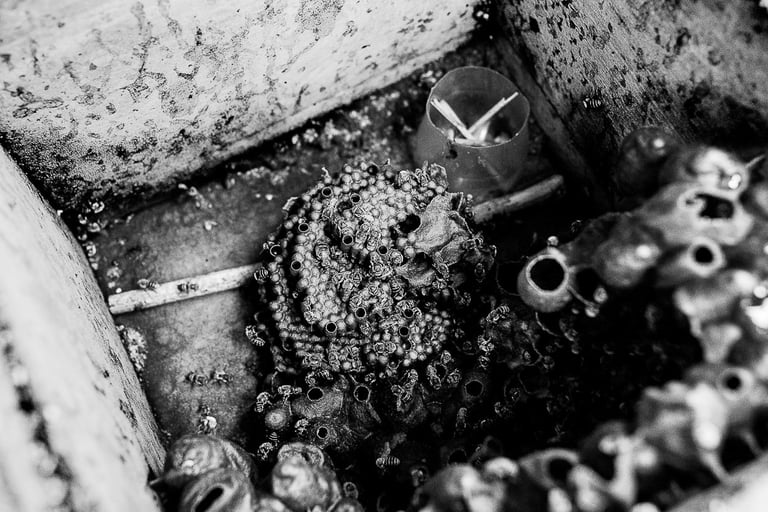
The social organization of the Melipona bee is the same as that of Apis bees: a queen, workers, and drones, with the sole difference that, precisely because they lack a stinger, defense of the community is entrusted to a specialized guard bee that watches over the single entrance to the colony. In its natural state, the Melipona builds its hive inside a hollow dead tree trunk.
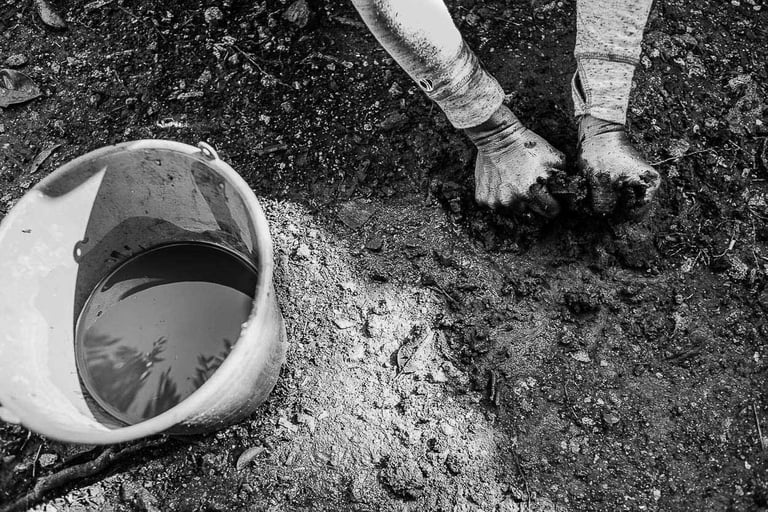
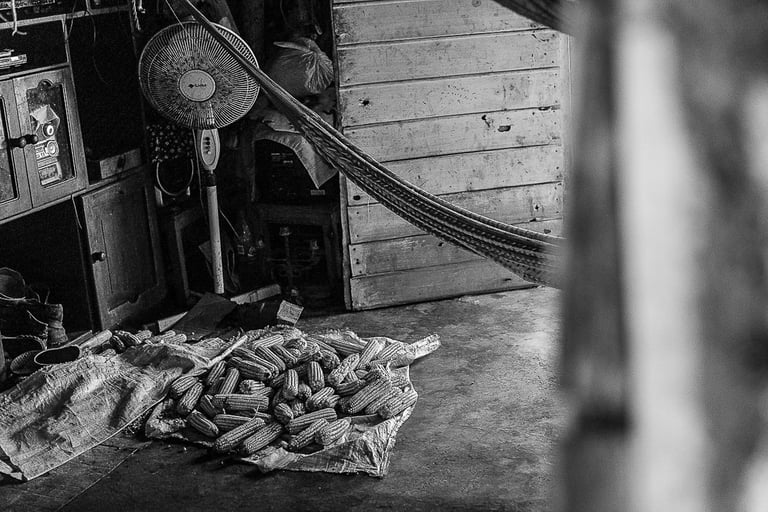
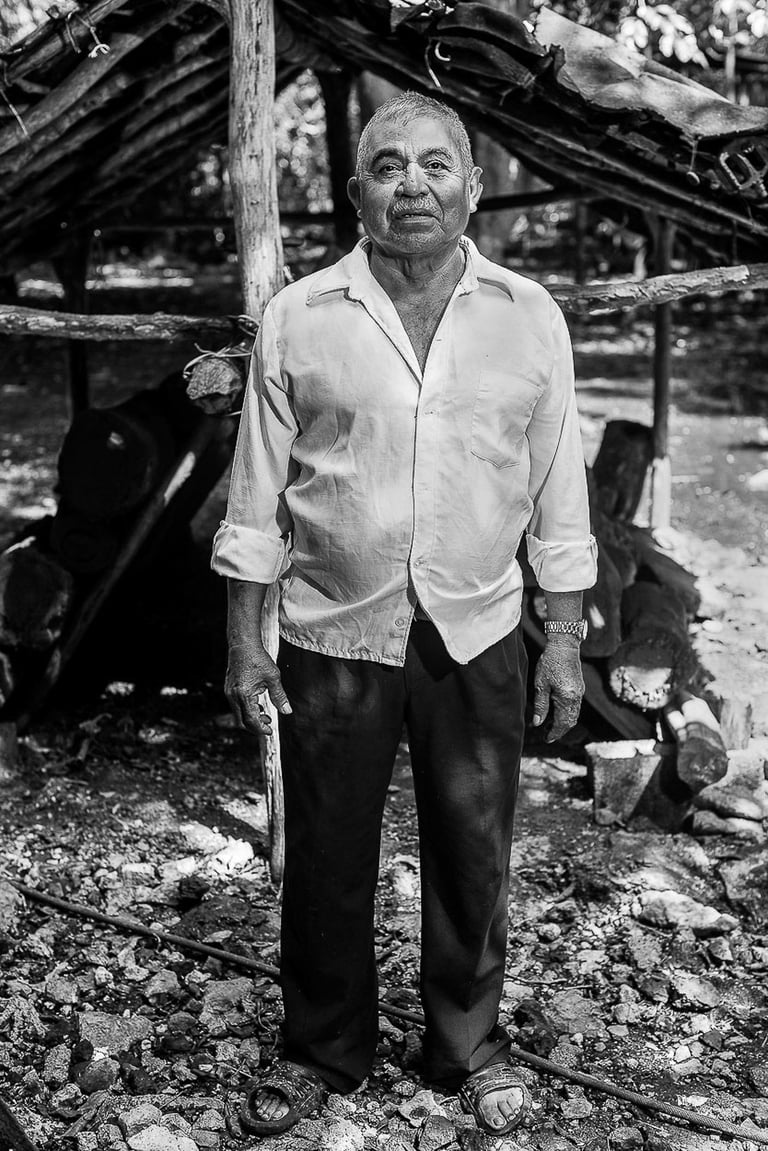
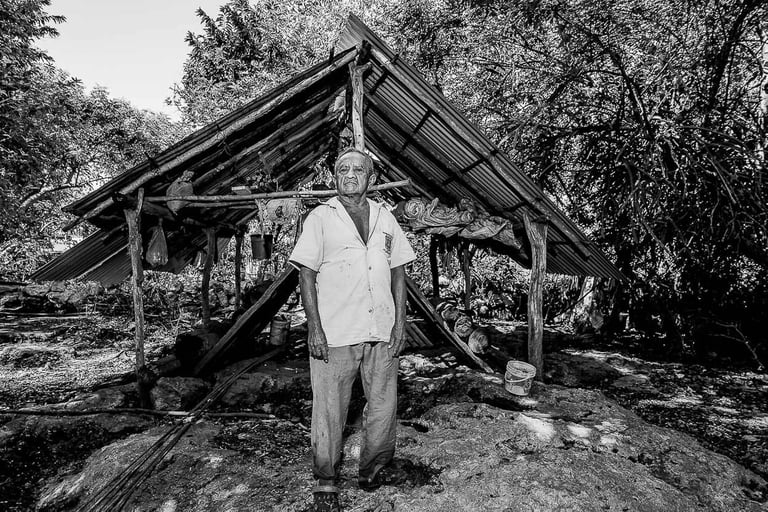
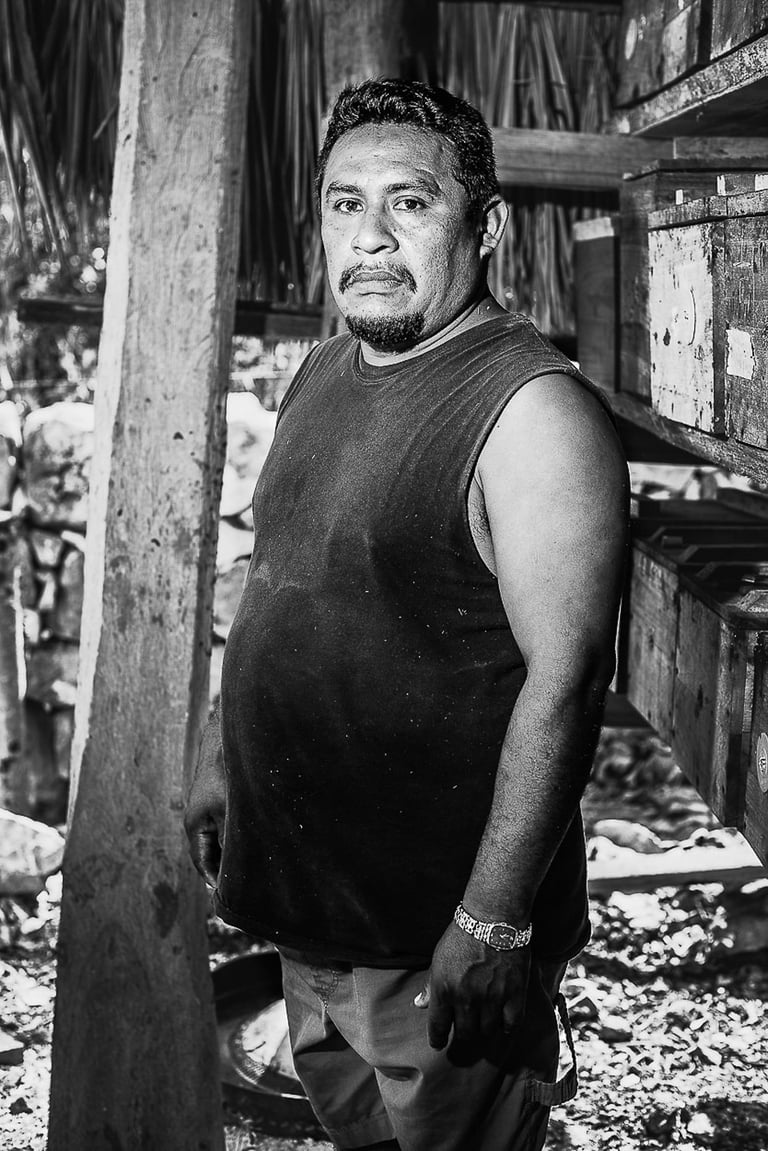
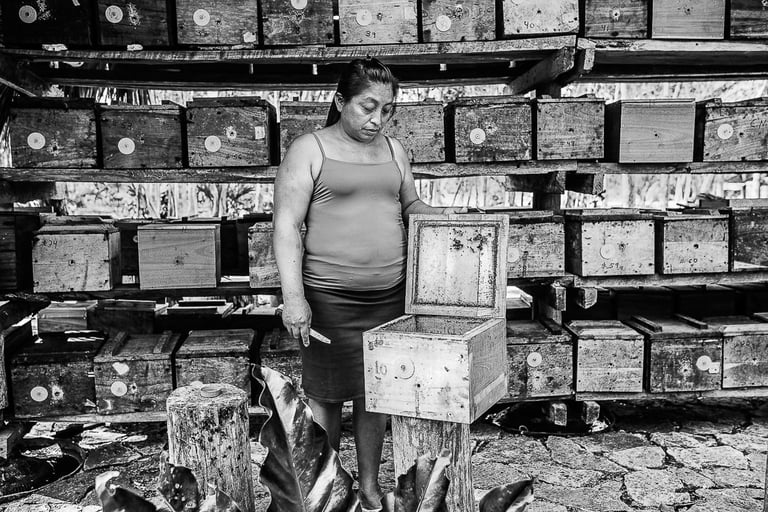
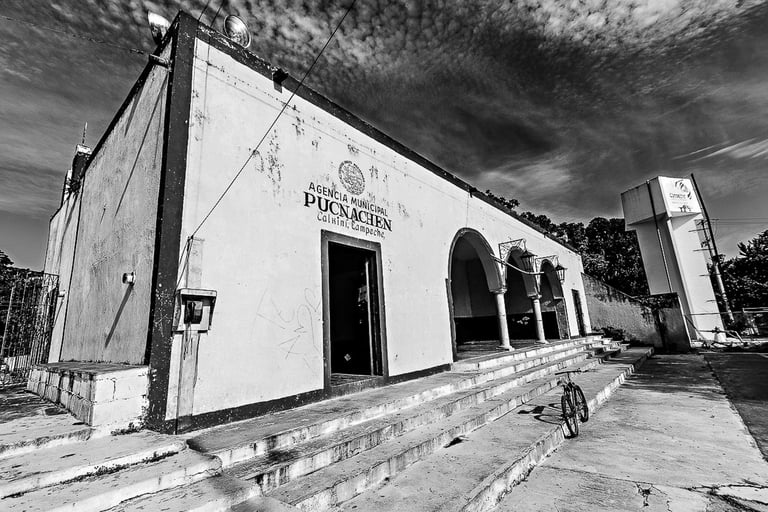
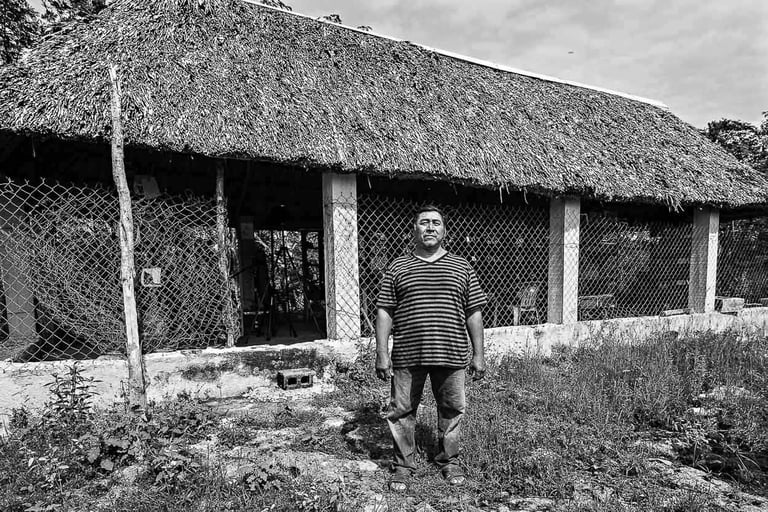
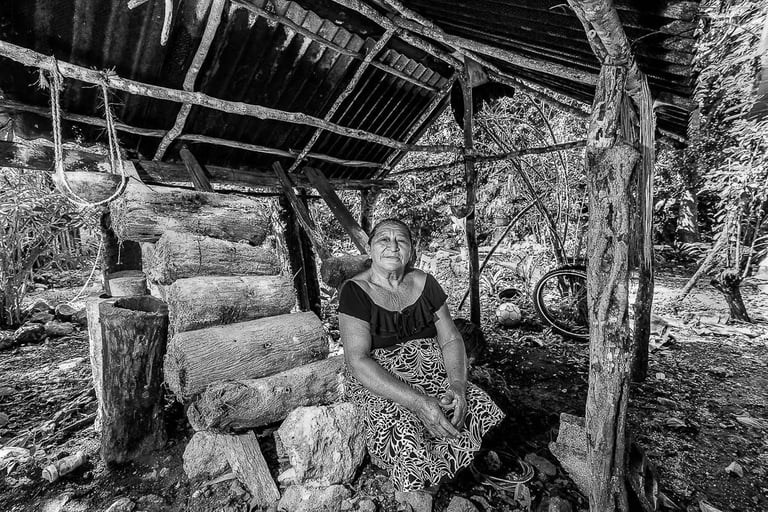
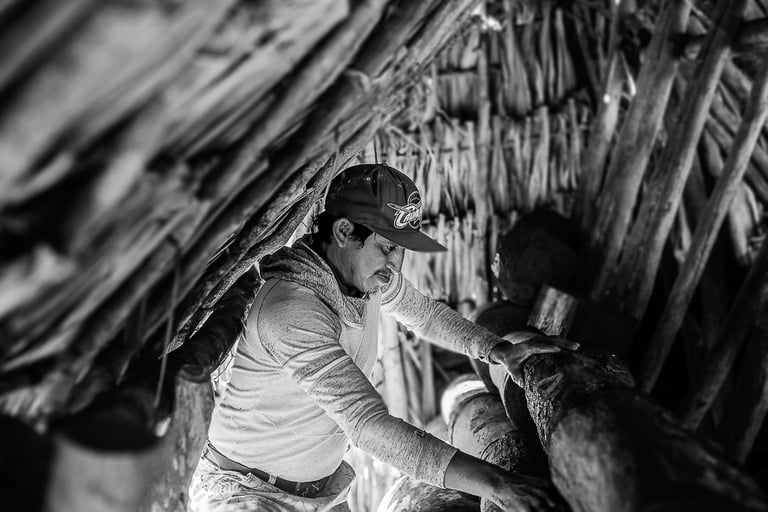
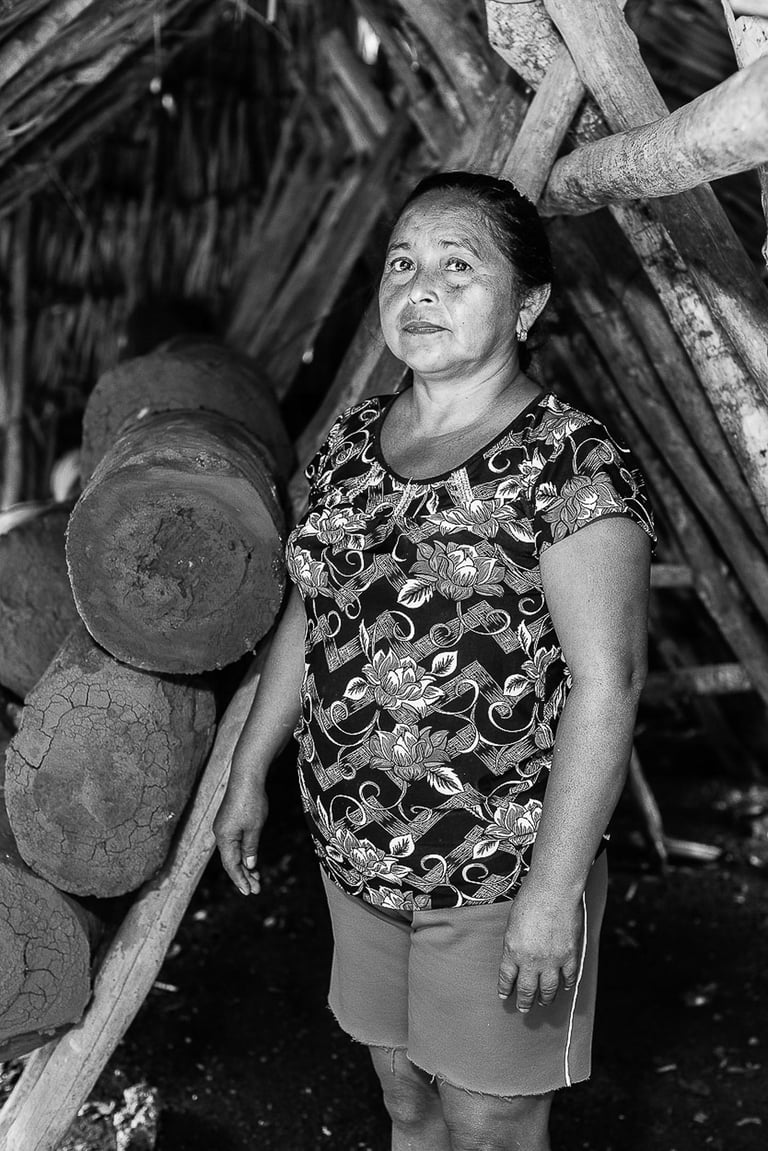
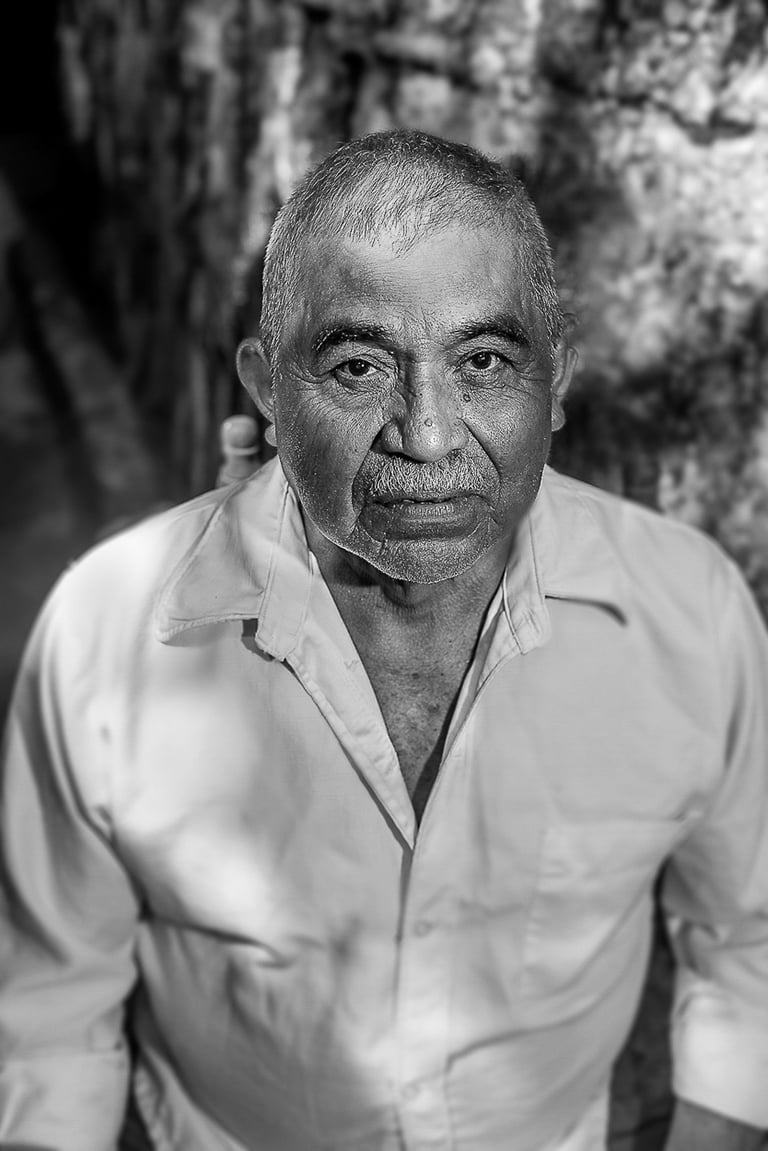
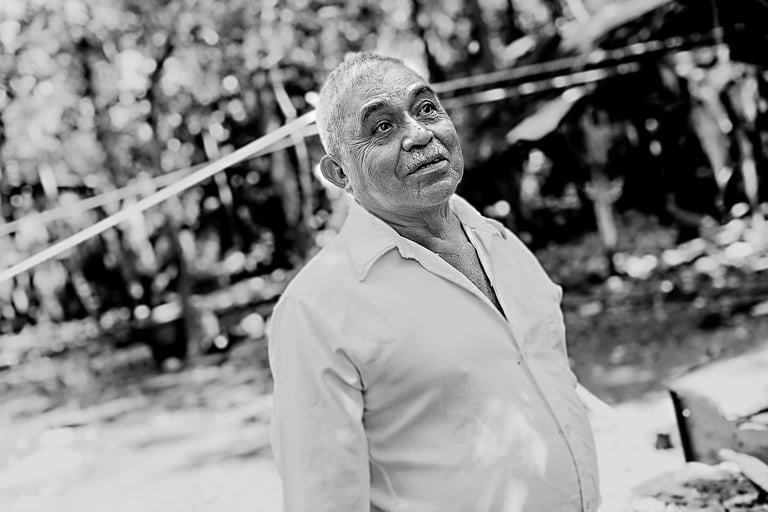
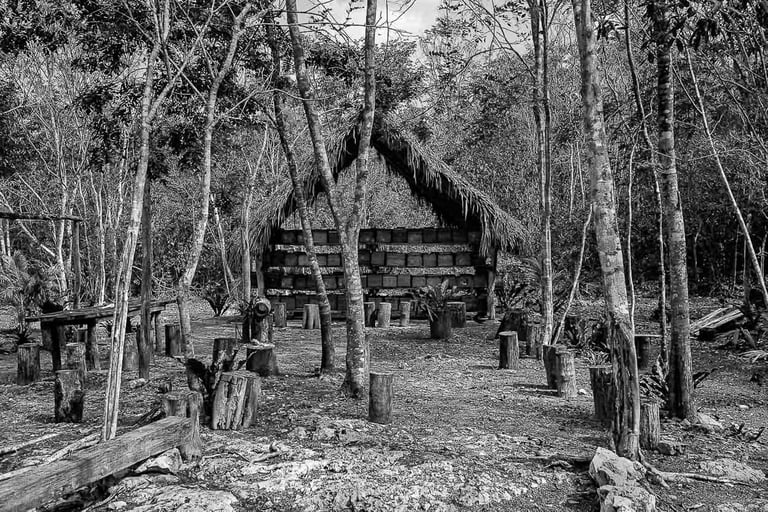
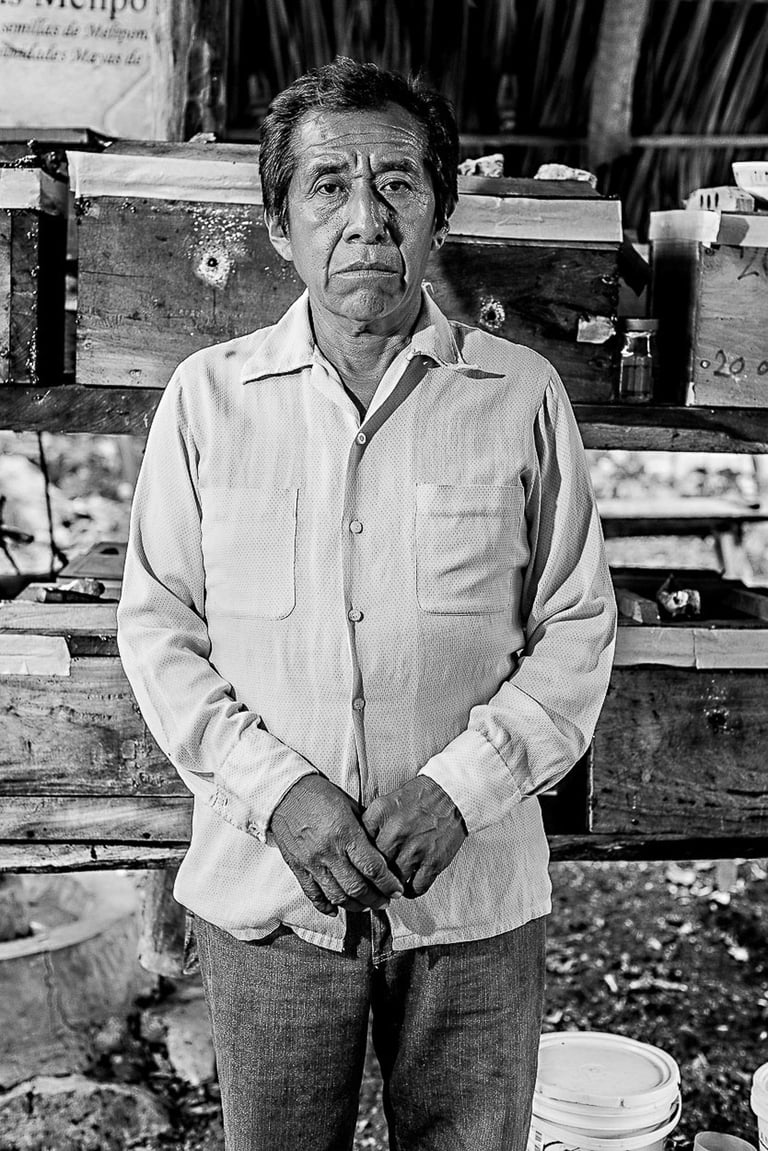
The story suggested by these images originates in the state of Campeche, where, thanks to the logistical support of ECOSUR University, I visited the Petén Reserve. Traveling from village to village, I had the opportunity to meet the last traditional beekeepers who lovingly resist in defense of this insect. These are all family-based economies where the ancestral tradition of Mayan beekeeping and the use of its products for household subsistence are preserved. Very often the tradition is passed down within the family—from father to son, grandfather to grandson—but the difficulty of maintaining this practice is evident. The lack of a real market due to competition from Apis bees, deforestation, the migration of young people away from rural areas, and contamination from pesticides and poisons make Melipona beekeeping difficult, if not impossible.
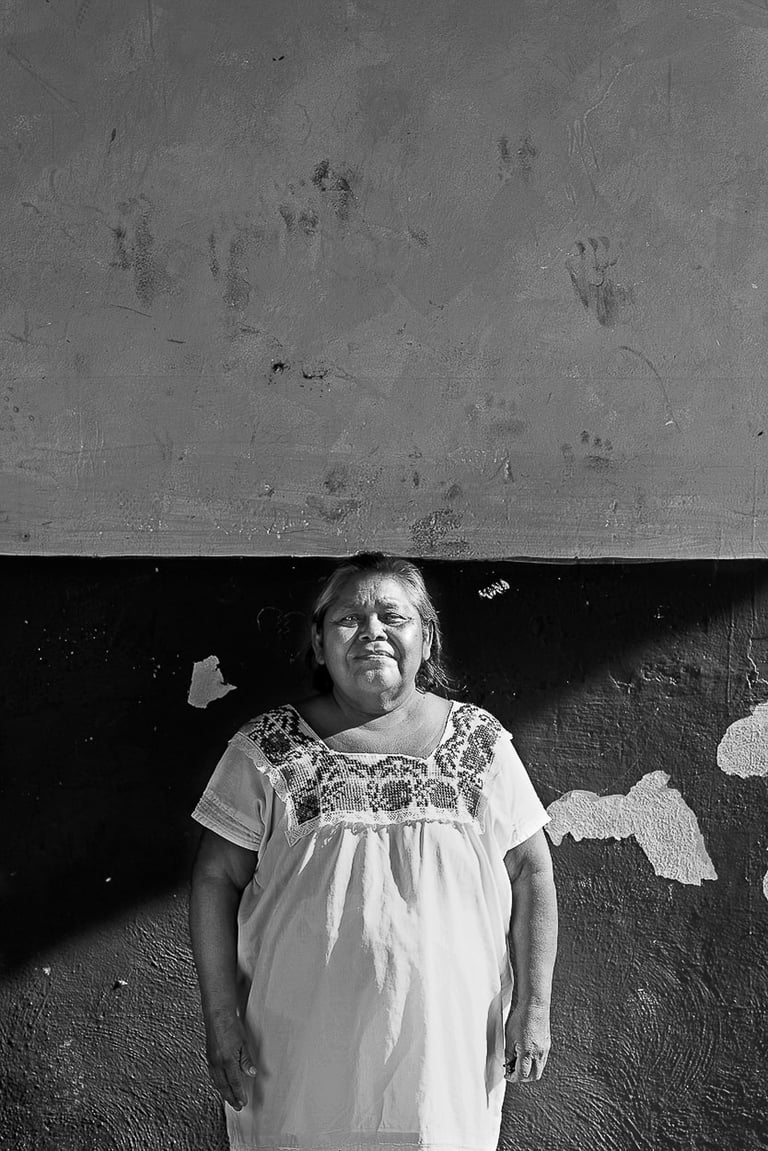
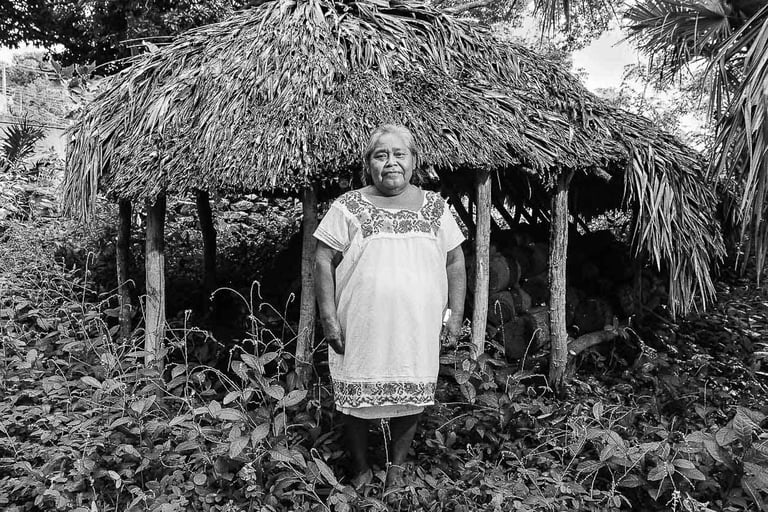
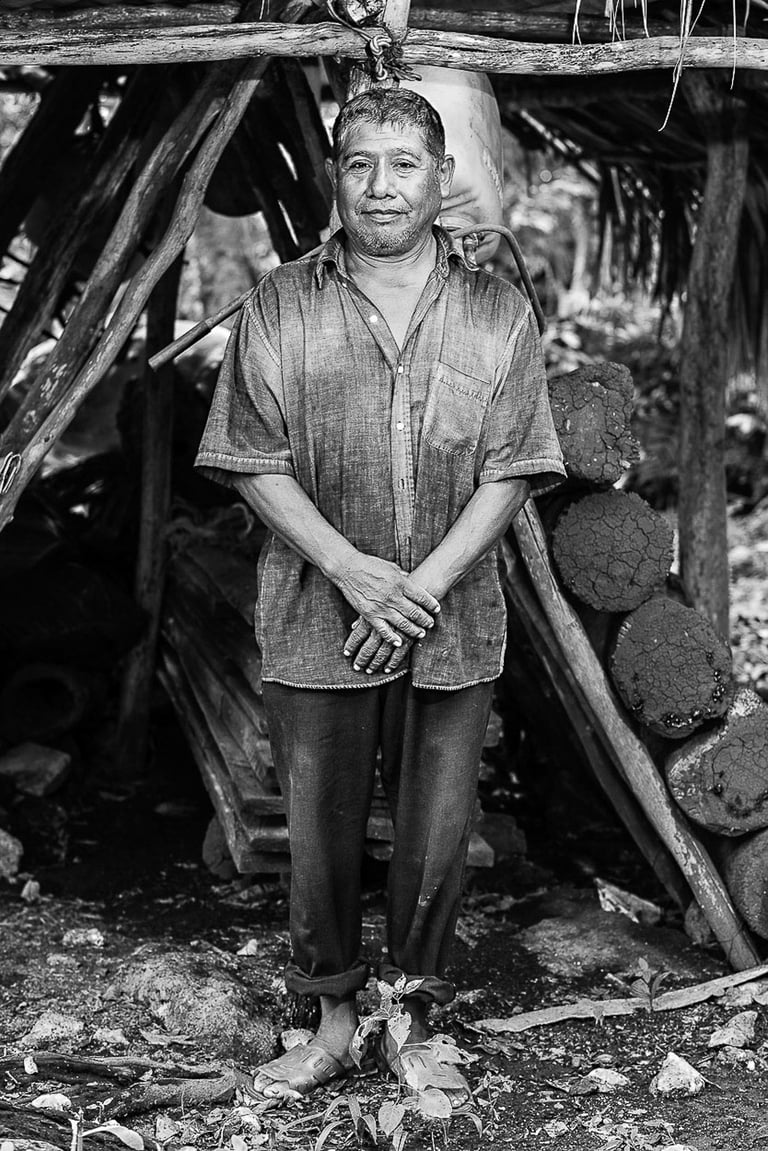
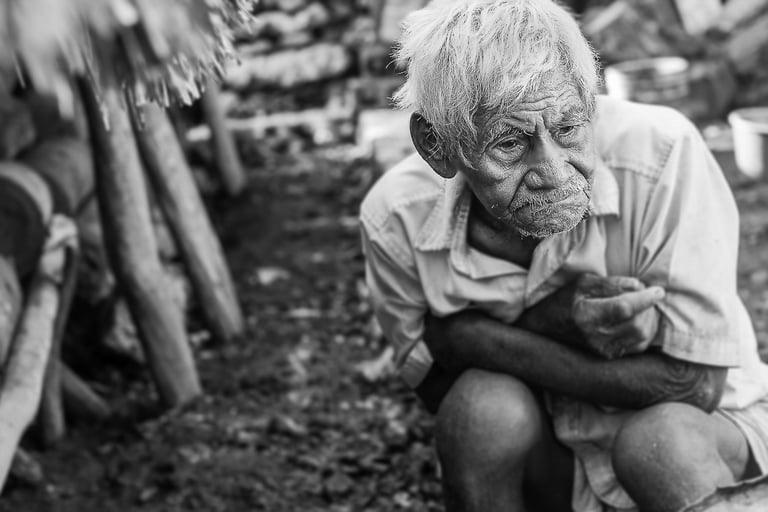
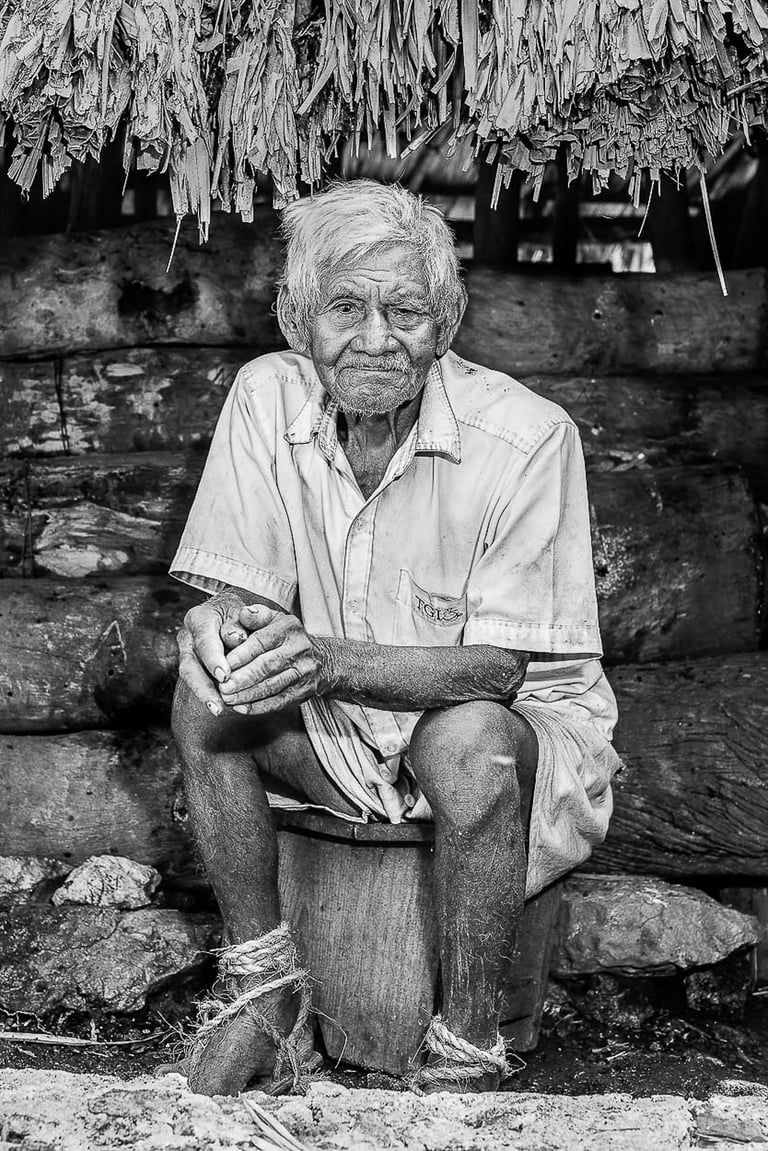
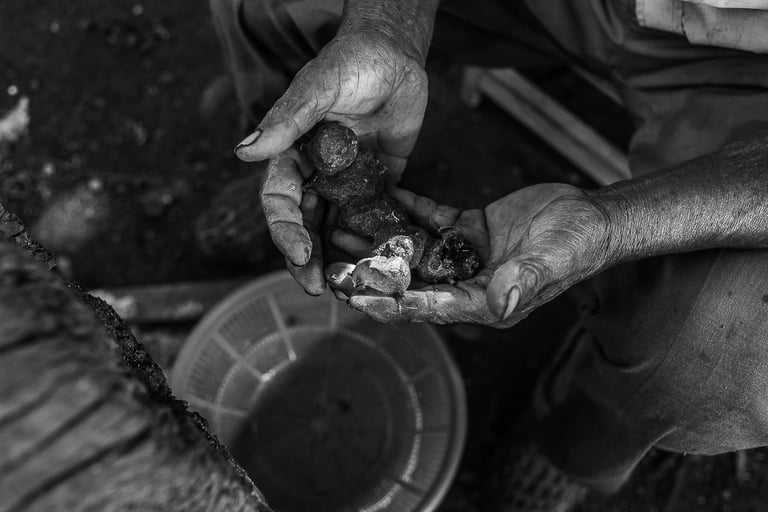
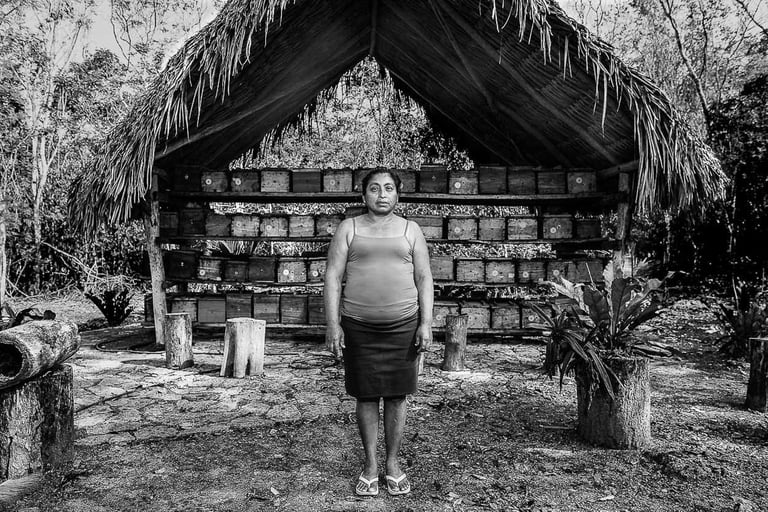
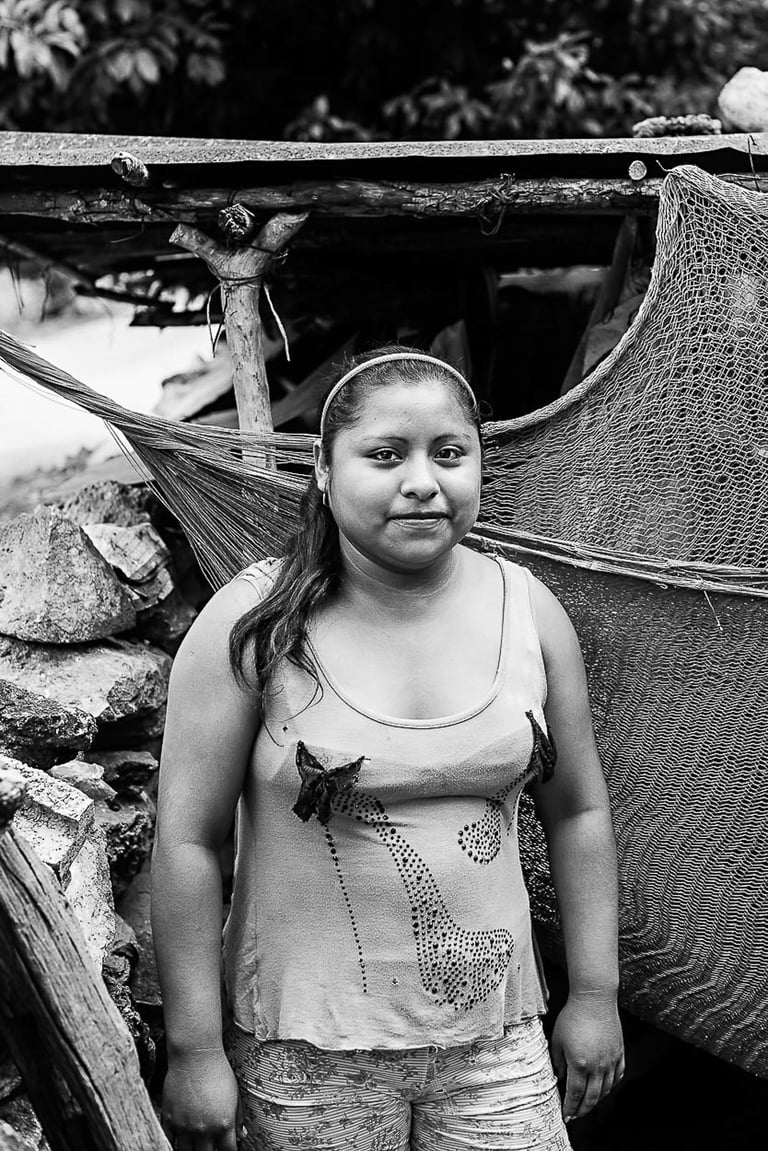
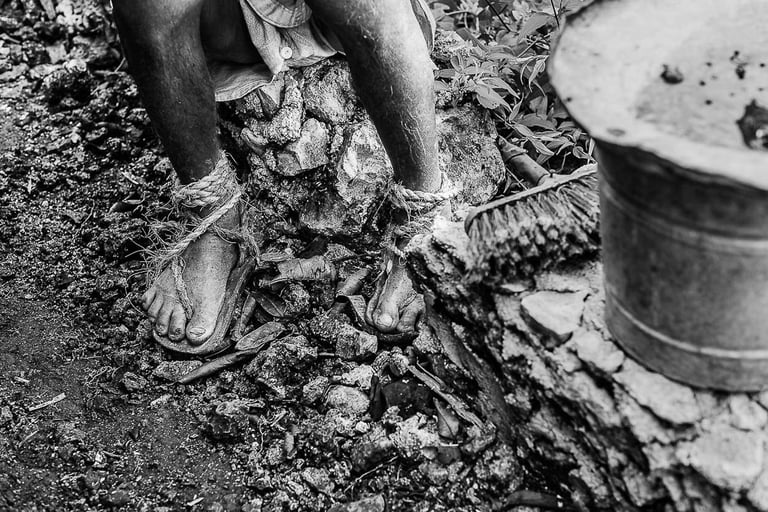
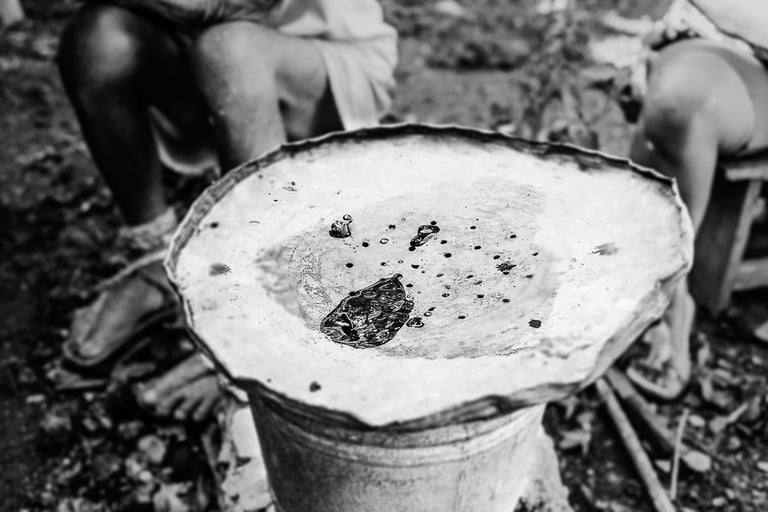
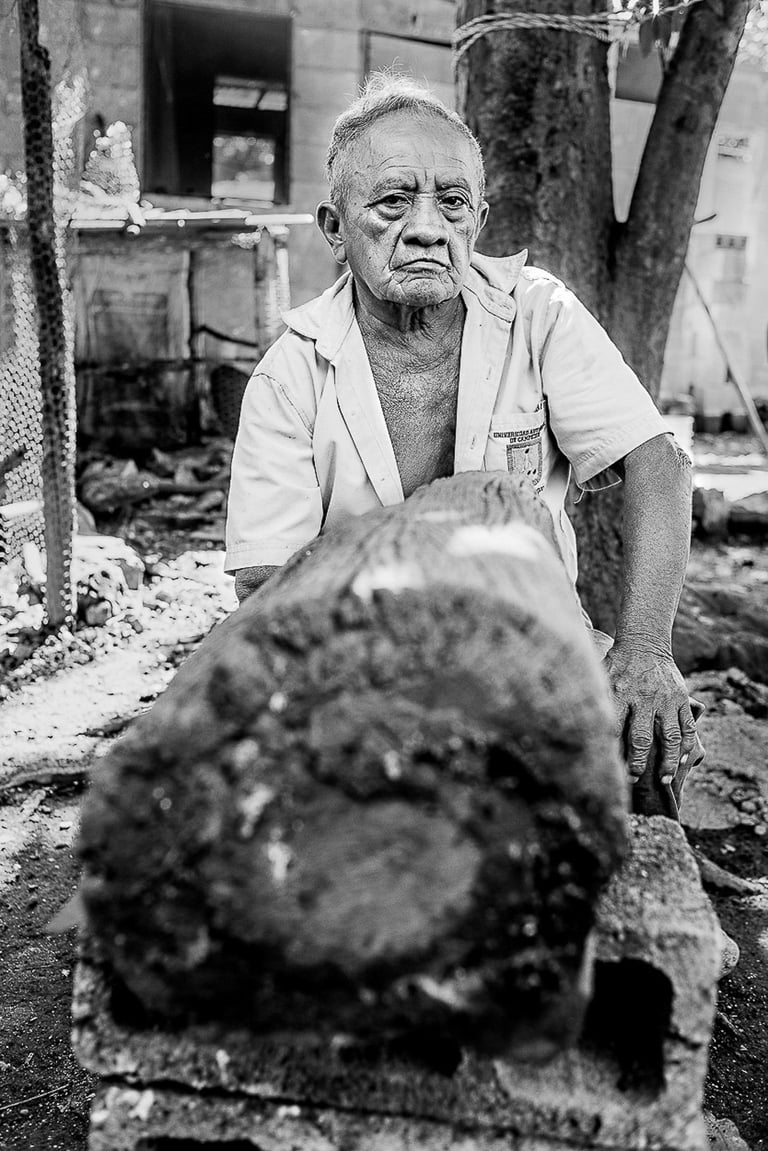
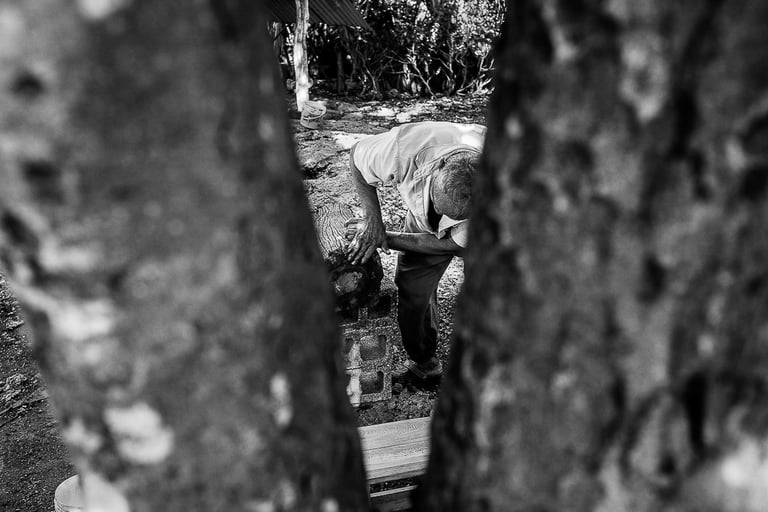
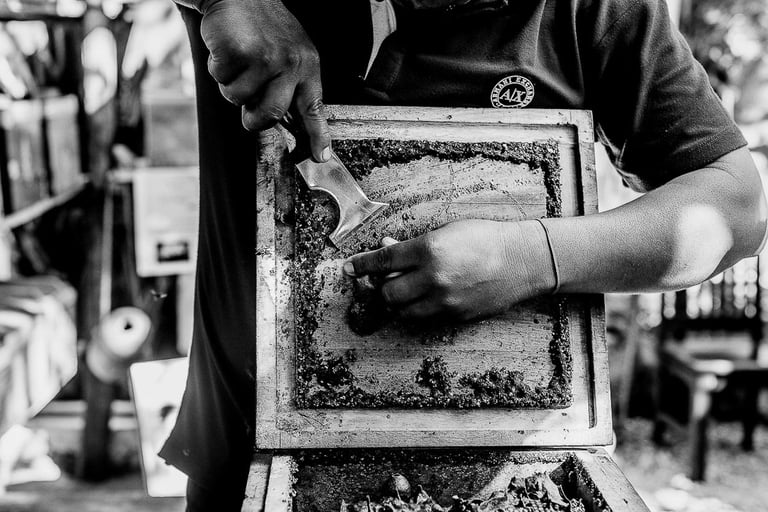
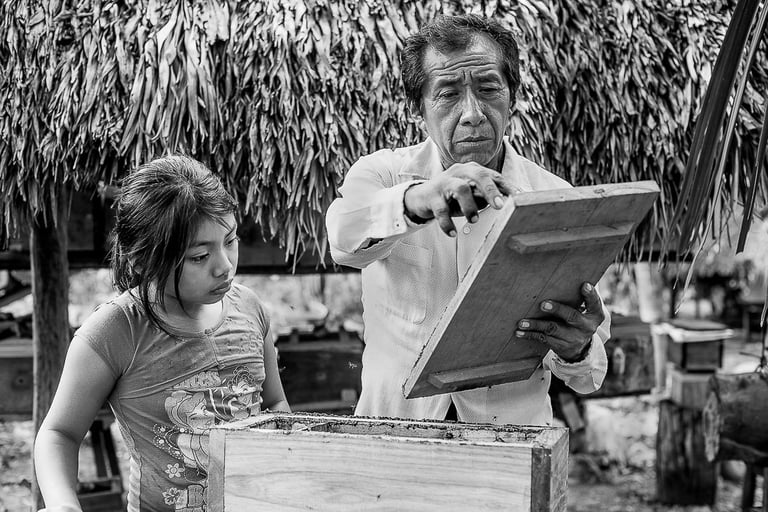
During my journey I met Mr. Rodrigo, who at 94 years old is the oldest meliponiculturist still alive. His granddaughter Lidia, with passion and devotion, continues the tradition. Honey and other products are harvested once or twice a year after the dry season begins; during the rainy season, the bees collect nectar from flowering trees. Traditional harvesting is very invasive: the combs are almost destroyed to extract the honey, putting the colony at risk. Moreover, during honey extraction the hive is opened, allowing flies and other insects to enter and potentially destroy the entire colony.
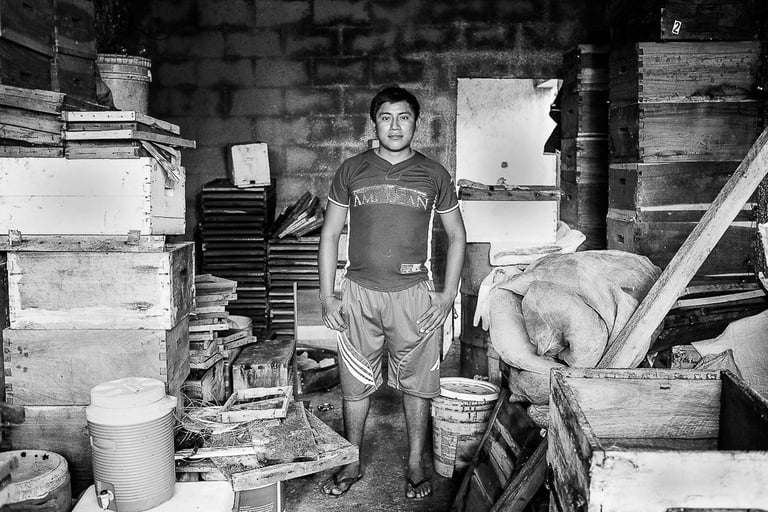
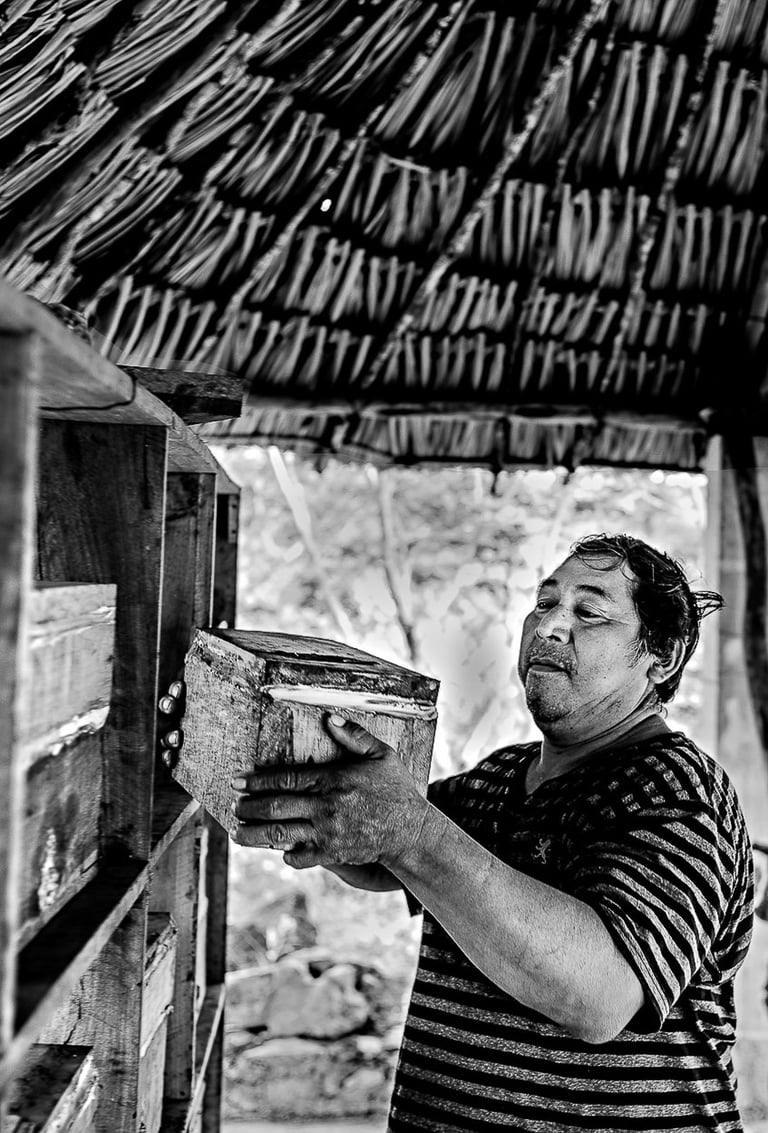
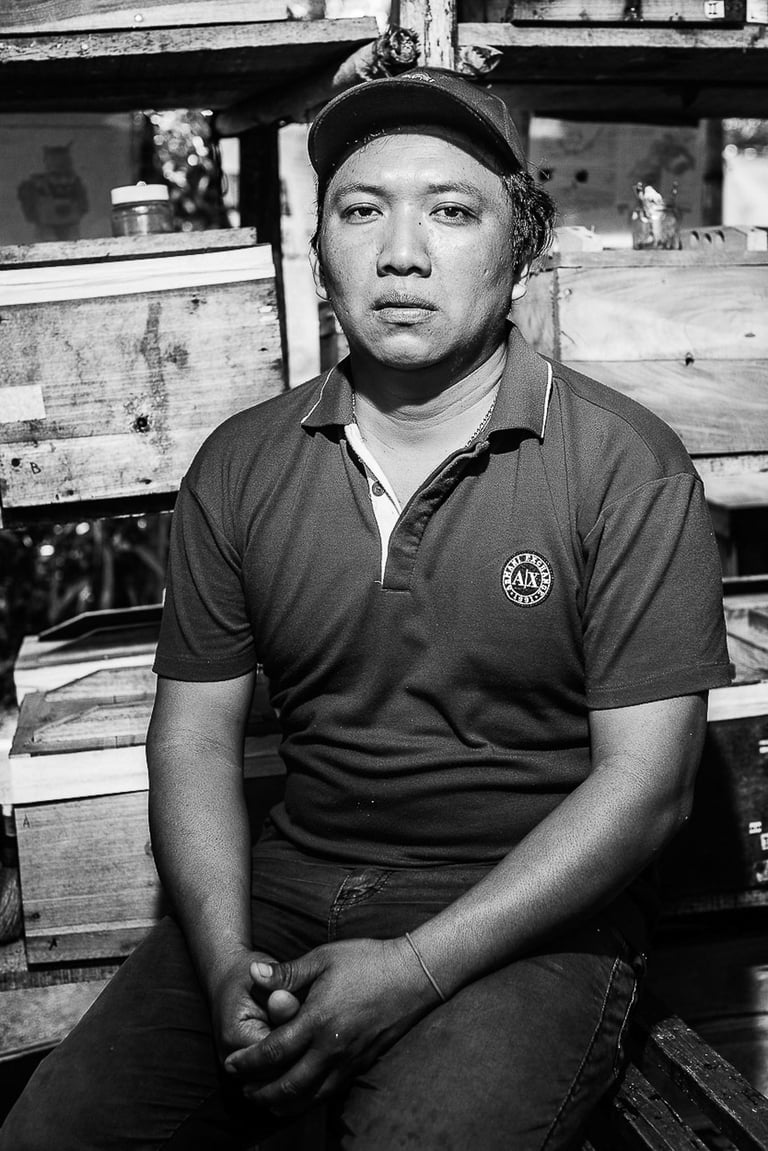
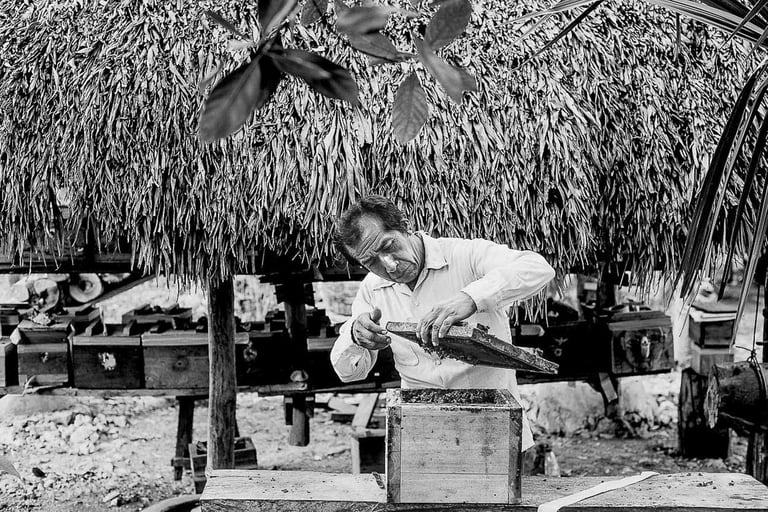
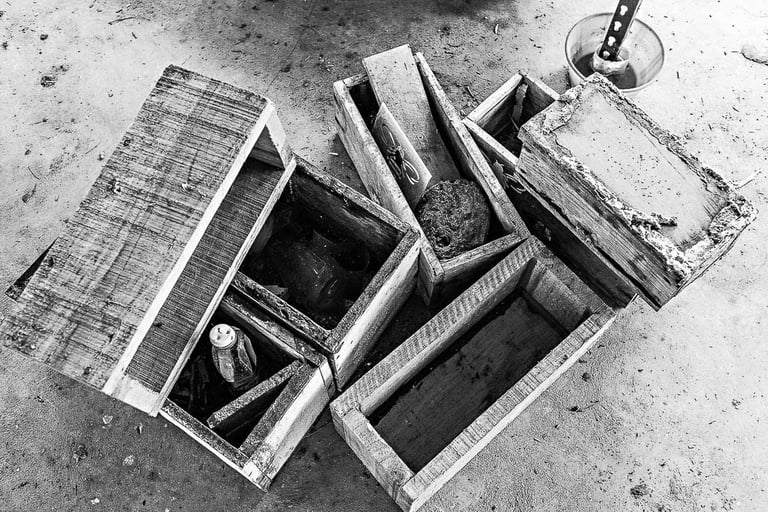
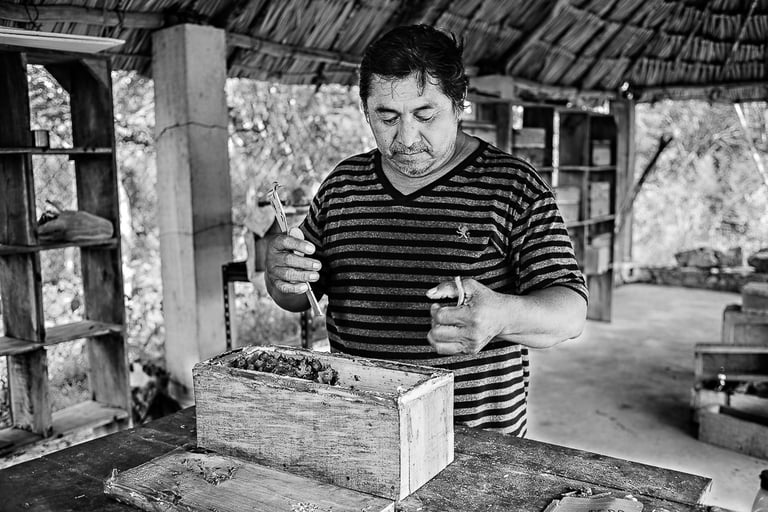
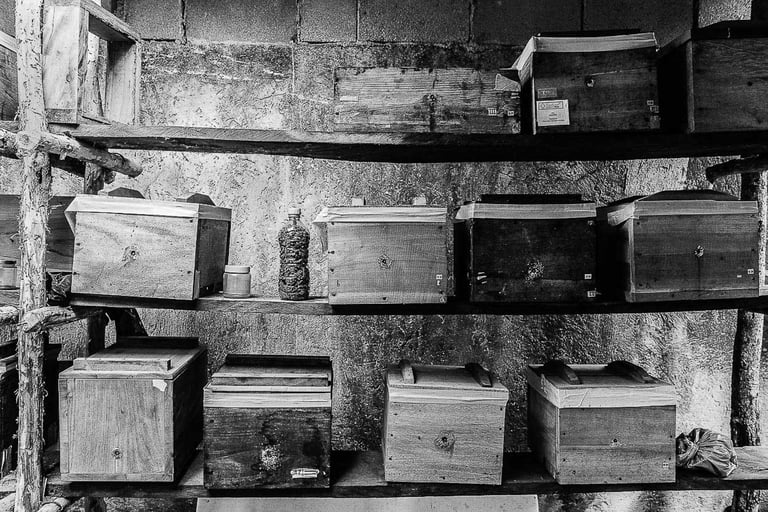
Technological evolution has led beekeepers to house bees in a “technified” box. Mr. Pedro is a pioneer of this method; in his meliponary, this technique allows greater control over the bees and the possibility of expanding the colony, making it stronger and more durable.
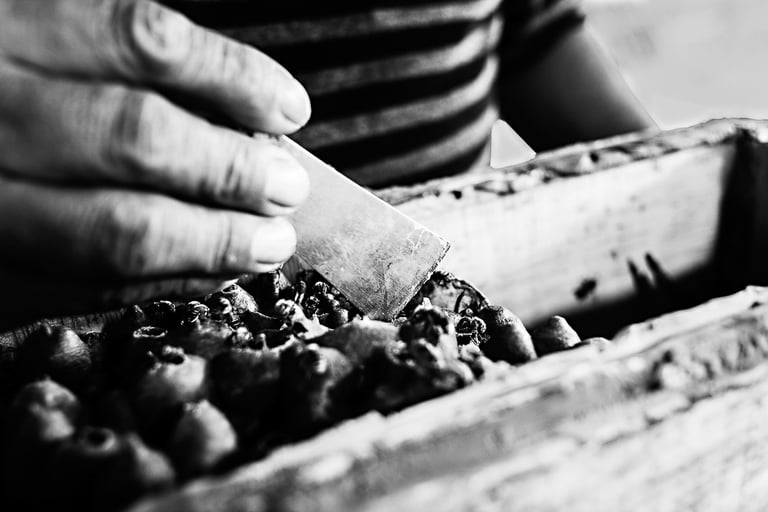
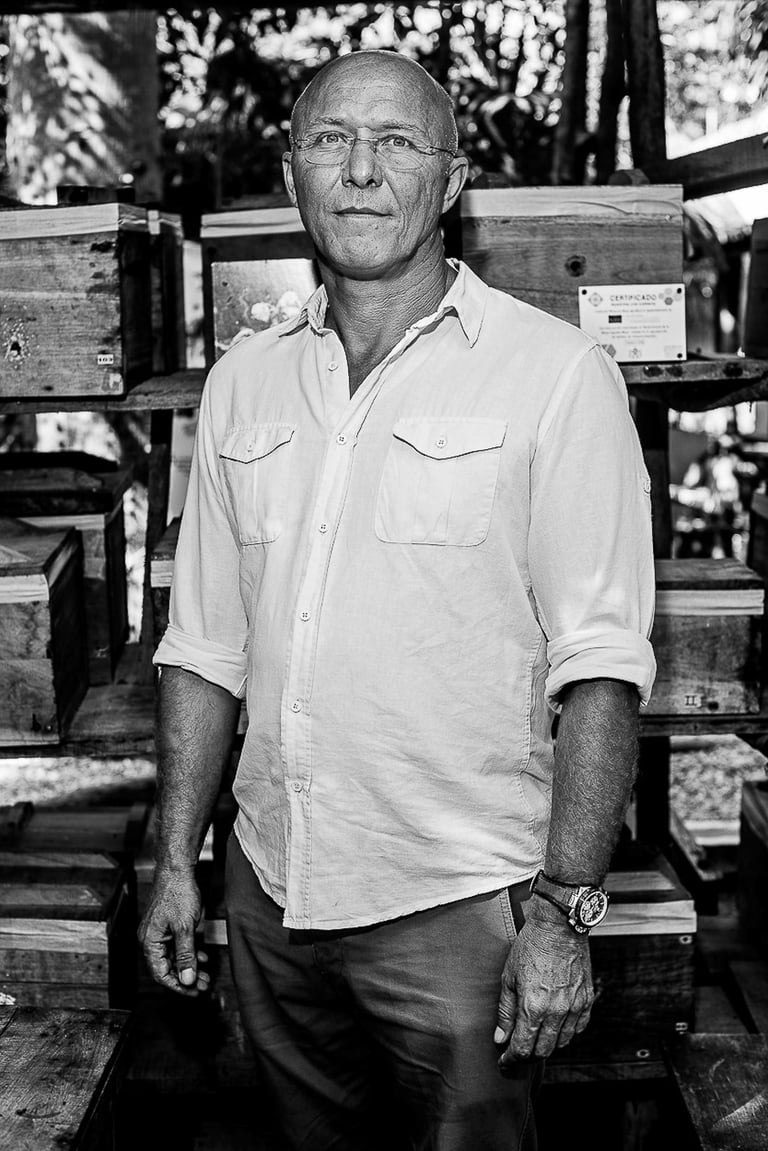
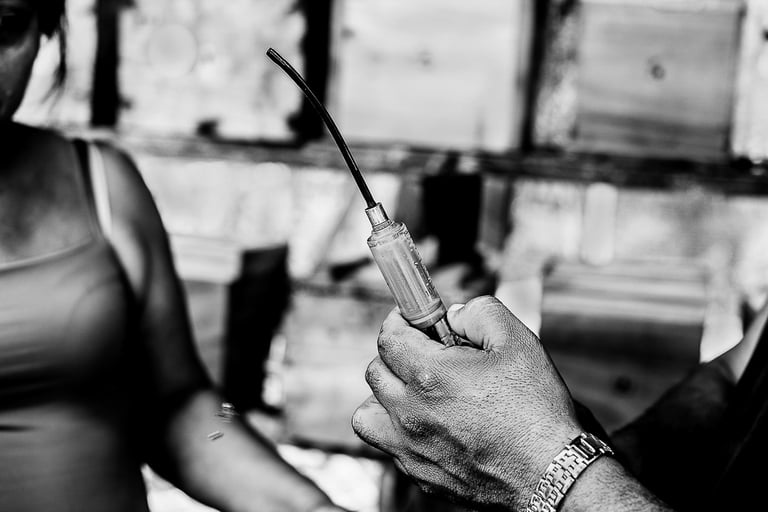
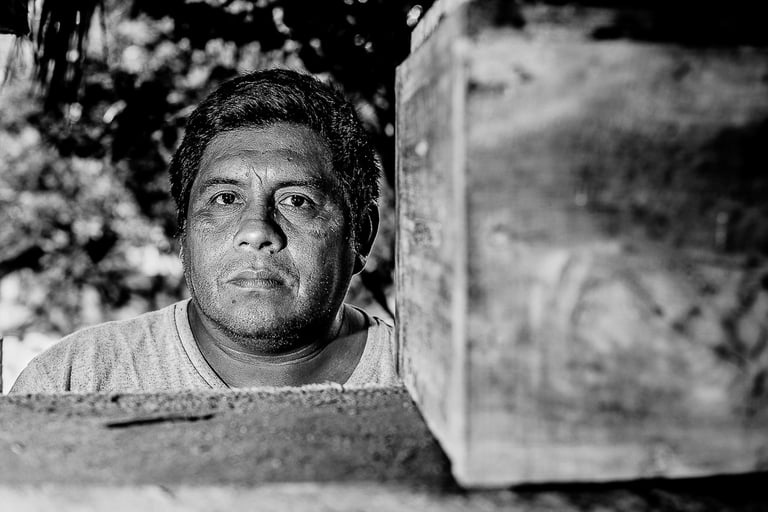
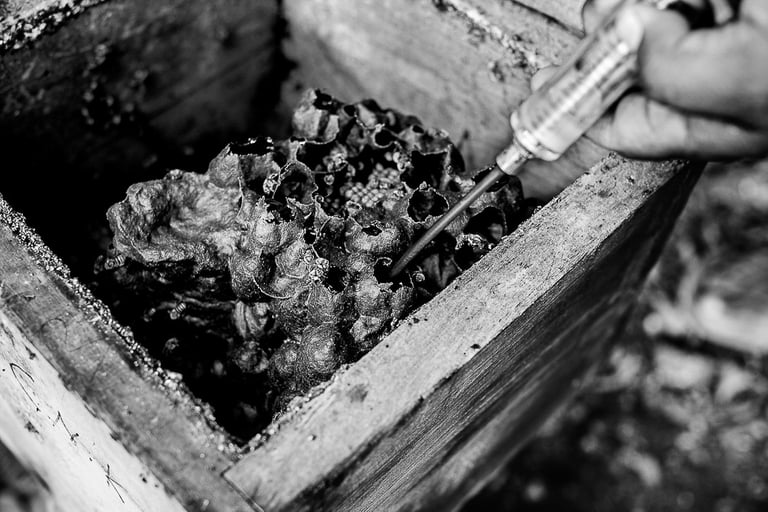
I wanted to see the situation of the Melipona bee in the state of Quintana Roo, and thanks to Mr. Stephan’s foundation and its meliponary, I had the opportunity to encounter a different approach to saving the beecheii. His project began eight years ago and now involves several communities in Yucatán where, through the foundation, he promotes the breeding of the Melipona bee and its proliferation. The golden rule is not to harvest honey during the first two years, to strengthen the bee communities and multiply the boxes. After this period, beneficiaries may collect honey for their own use. I witnessed honey harvesting done with a syringe, which has the advantage of not destroying the combs and leaving the colony’s structure almost intact.
Stephan proposes the “Philosophy of the Bee” as a way of coexistence among beings. Such a small, gentle, and cooperative insect, rooted deep in history, becomes the metaphor for another possible world. The beecheii is a message from the past, meant to restore the present.
Sacred Mayan Bee